How to choose the matrix adhesive in the resin Motorcycle Engine Starter Plate?
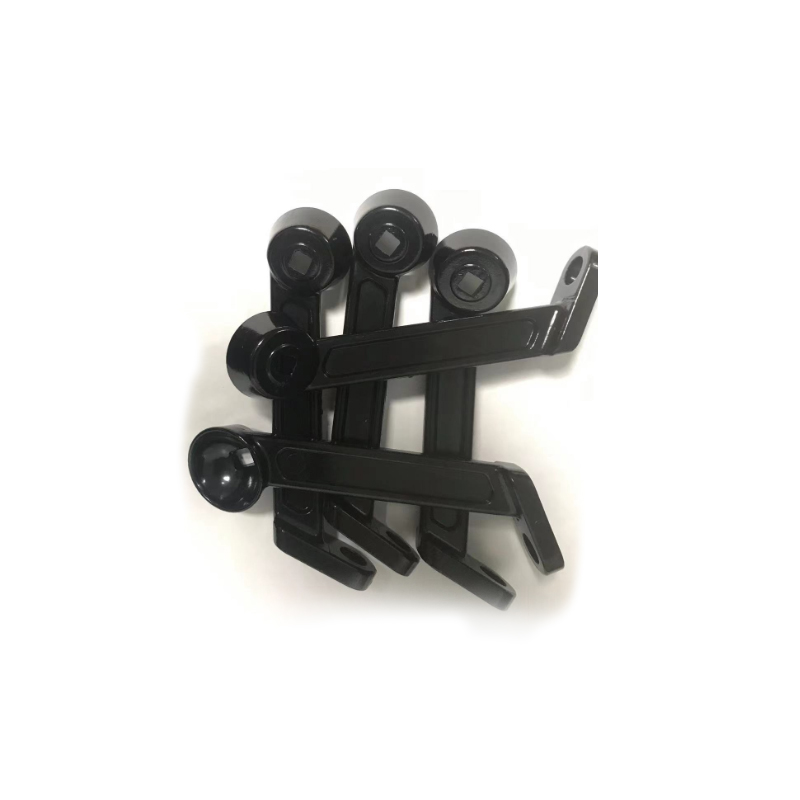
Among all kinds of motorcycle engine starting plates, they can be distinguished according to metal base, ceramic base, resin base, carbon/carbon composite, and these Engine Accessories are widely used in trains, airplanes, automobiles, oil drilling rigs, machinery and other fields. Widely used, resin-based Motorcycle Engine Starter Plate is a kind of friction composite material widely used, which is mainly used as Engine Accessories and clutch plates to brake or clutch various running vehicles or machinery.
1. A friction factor that meets the requirements within a certain range;
2. Lower wear rate;
3. Good heat decay resistance and heat recovery;
4. Appropriate hardness;
5. Lower noise.
Of course, in order to select Engine Accessories that can meet the above performances at the same time, in addition to selecting suitable reinforcing materials, fillers and friction performance regulators and optimizing the formula, the choice of resin is particularly important. In the motorcycle engine startup board industry, ordinary phenolic resins with low heat resistance such as 2123# have been used consistently for decades. With the rapid development of the automobile industry and the improvement of vehicle running speed, the heat resistance of Engine Accessories Higher requirements have been put forward, and improving the heat resistance of the resin used for motorcycle engine starting plates has become the focus of research.
In recent years, many modified phenolic resins have appeared, such as cashew nut oil modified phenolic resin, melamine modified phenolic resin, boron modified phenolic resin (FB), etc. These modified phenolic resins have been successfully developed to meet many high performance requirements. Requirements for the use of Engine Accessories.
As far as various phenolic resins have been industrially produced, it is believed that FB boron-modified phenolic resin has the best heat resistance after testing and use by scholars at home and abroad. There are many ways to investigate the heat resistance of resins. We use the thermogravimetric method. From the TG curve, the decomposition temperature of FB resin can reach above 500°C. Generally, phenolic resin will decompose in large quantities when it exceeds 300°C. In the start-up board, the resin should have a high weight retention rate in addition to high decomposition temperature. The weight retention rate of FB resin at 900°C is over 60%.


评论
发表评论