Brief analysis of heat attenuation and ablation phenomenon of Motorcycle Ignitionlighter
Thermal decay of Motorcycle Ignitionlighter involves thermal decay and ablation of Brake Pad equipment. Thermal attenuation refers to the phenomenon of brake pads or brake discs. After the temperature rises to a certain level, its braking effect will be reduced or even invalid. This is very dangerous, so the critical temperature of thermal attenuation is very important, and the obvious feeling is Whether the brake pedal is soft or weak, no matter how you step on the brakes, the effect is not obvious. Different Motorcycle Ignitionlighter have different heat decay temperatures. Original Motorcycle Ignitionlighter are usually between 250°C and 280°C, while better Motorcycle Ignitionlighter are at least 350°C.
When the braking intensity and time continue to increase and the temperature continues to rise, the internal material of the brake pad will undergo chemical changes, resulting in changes in the molecular structure and affecting the braking effect. This is called ablation.
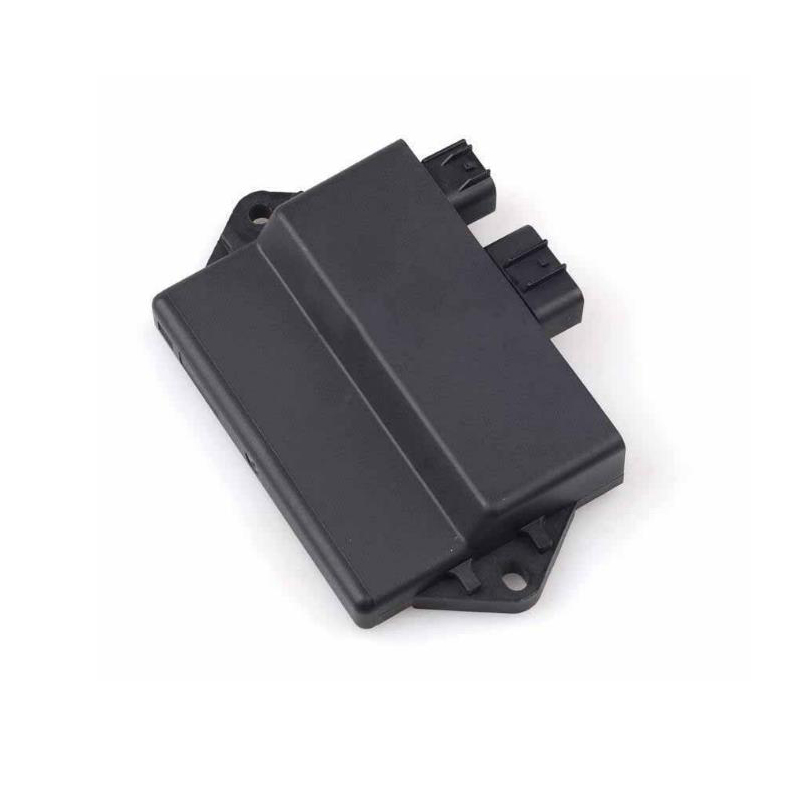
The minimum thickness of a brake pad is determined by many factors, including the brake system itself (design stroke of the caliper or cylinder piston, adjuster clearance, brake pedal clearance, etc.). Types of Motorcycle Ignitionlighter (asbestos, semi-metallic, NAO, special fibers), Motorcycle Ignitionlighter and assembly of Motorcycle Ignitionlighter, etc.


评论
发表评论